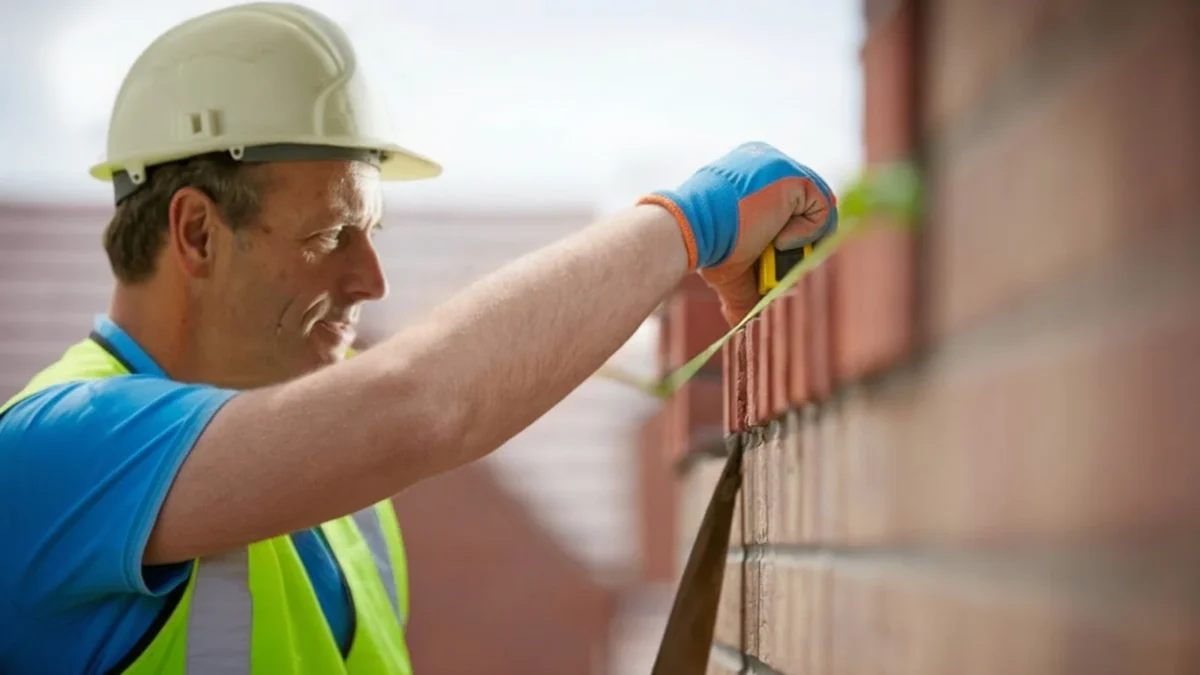
How To Get Your Bricklaying NVQ
Getting a Bricklaying NVQ is straightforward if you are already working as a bricklayer.
Assessment is based on the work you do every day, not exams or classroom learning.
This page explains:
- What a Bricklaying NVQ is
- Who it is suitable for
- The difference between Level 2 and Level 3
- How assessment works on real sites
- What you need for a CSCS card
If you already know which level you need, you can go straight to the relevant course.
If not, this page will help you decide.
What is a Bricklaying NVQ?
A Bricklaying NVQ is a work-based qualification for bricklayers who carry out their work on construction sites.
It proves that you can carry out bricklaying work safely, competently, and to recognised industry standards.
There are:
- No exams
- No classroom learning
- No college attendance
Assessment is based entirely on the work you already do on site.
Who is a Bricklaying NVQ for?
A Bricklaying NVQ is suitable if you:
- Work as a bricklayer on construction sites (regardless of size)
- Carry out tasks such as setting out, building walls, creating openings, etc
- Have learned your trade on the job
- Need a qualification for site access or a CSCS card
- Want to qualify without taking time off work
Bricklaying Level 2 or Level 3 – which do I need?
Choosing the right level matters. In simple terms:
Bricklaying NVQ Level 2
This is the most common option.
It is suitable if you:
- Work mainly on the tools
- Carry out practical bricklaying tasks on site
- Follow drawings and instructions
- Work under general supervision
Level 2 is required for a Blue CSCS Skilled Worker card.
👉 See details of our Bricklaying NVQ Level 2 assessment programme here
Bricklaying NVQ Level 3
Level 3 is for more experienced bricklayers.
It is suitable if you:
- Take responsibility for complex bricklaying work
- Supervise others or coordinate tasks
- Interpret drawings independently
- Work with minimal supervision
Level 3 is required for a Gold CSCS card.
👉 See details of our Bricklaying NVQ Level 3 assessment programme here
If you are unsure which level is right, we will help you decide before you start.
How does a Bricklaying NVQ assessment work?
Assessment is based on real site work, not tests or written exams.
With SuperSkills, assessment usually includes:
- Photos of your bricklaying work on site
- Short video clips showing tasks being carried out
- Professional discussion with your assessor
- Supporting documents where needed
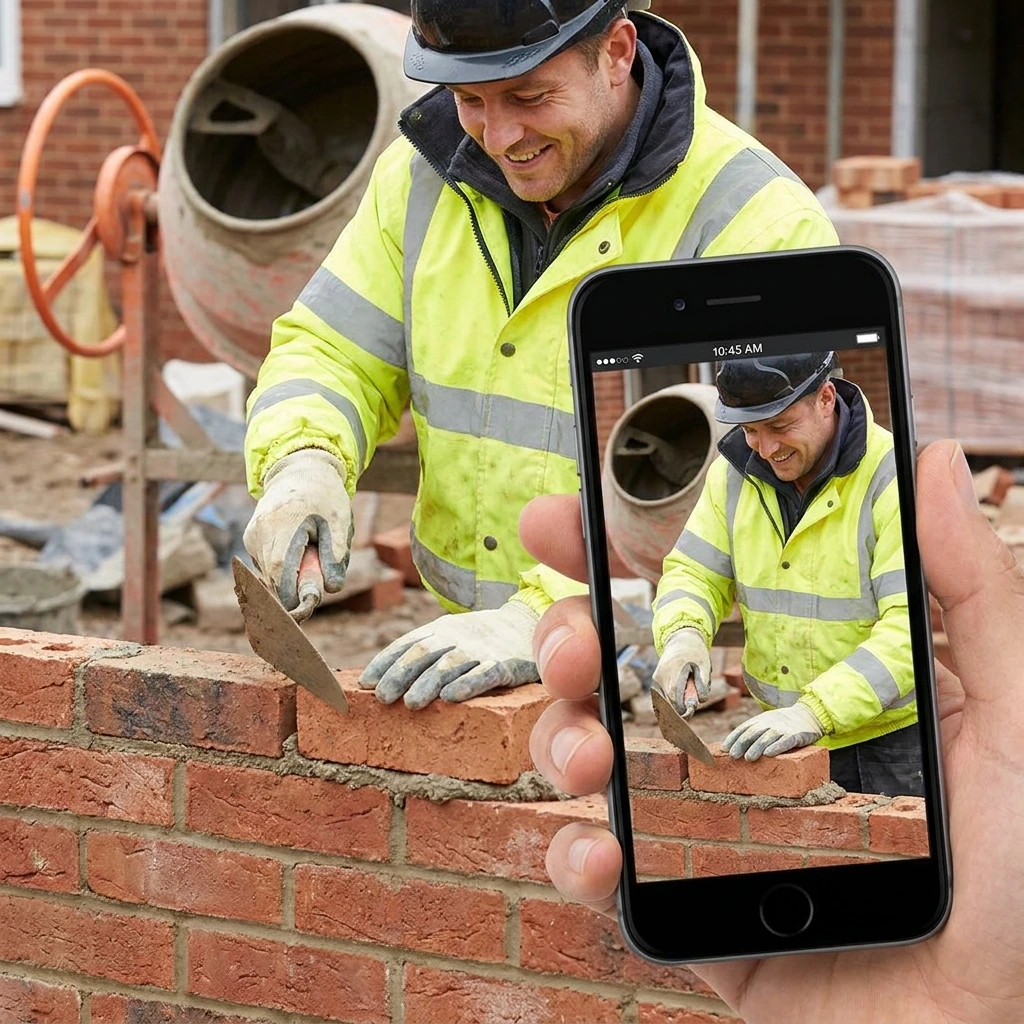
Evidence is gathered while you work – the assessment fits around your job.
What type of site bricklaying work can be assessed?
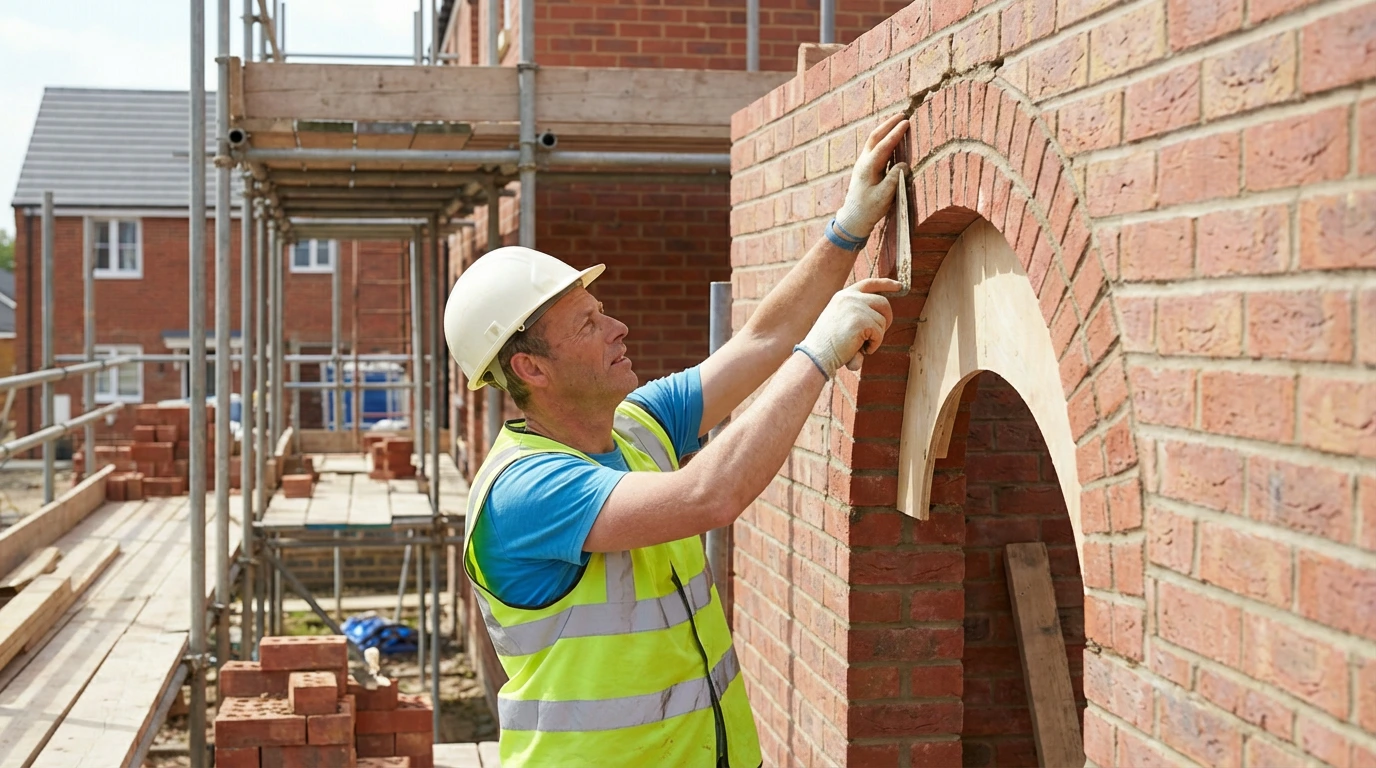
Bricklaying NVQs cover a wide range of real-world site tasks, including:
- Setting out
- Cavity walls (brick and block)
- Openings
- Repairing & maintaining walls
- Mixing sand, cement, etc
How long does a Bricklaying NVQ take?
There is no fixed duration.
How quickly you complete depends on:
- Your experience
- How quickly evidence can be gathered
- How much time you can commit alongside work
Many experienced bricklayers complete their NVQ much faster than expected, especially with a structured remote assessment approach.
Do I need a Bricklaying NVQ for a CSCS card?
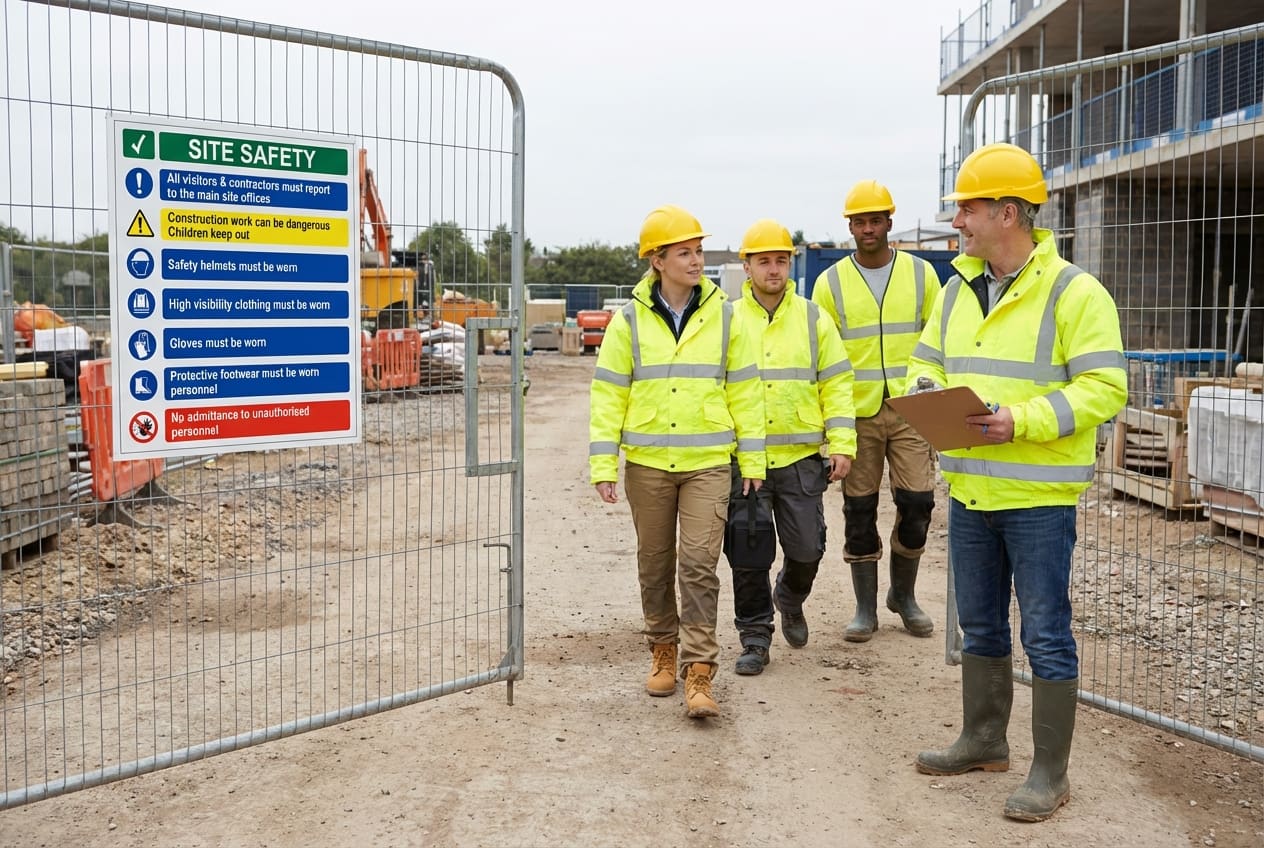
In most cases, yes.
- Blue CSCS Skilled Worker card → requires NVQ Level 2
- Gold CSCS Advanced Craft card → requires NVQ Level 3
You will also need to pass the appropriate CITB Health, Safety & Environment test.
If you are unsure which card you need, we can advise before you apply.
Why choose SuperSkills for your Bricklaying NVQ?
SuperSkills specialise exclusively in construction NVQ assessments.
Candidates choose us because we offer:
- Over 19 years’ experience
- Clear, all-inclusive pricing (including VAT)
- Flexible assessment built around site work
- Support for candidates who struggle with paperwork or technology
- Honest advice, even if you do not enrol
Our aim is to make the process quick, simple and convenient, while ensuring everything meets awarding body requirements.
Ready to take the next step?
If you already know which level you need:
👉 Bricklaying NVQ Level 2
👉 Bricklaying NVQ Level 3
If you are unsure, contact us for advice before starting.
Frequently Asked Questions
1. Do I need an NVQ to get a CSCS card for bricklaying?
In most cases, yes. To apply for a skilled worker or advanced craft CSCS card, you normally need a recognised NVQ qualification in bricklaying, along with a valid CITB Health, Safety & Environment Test. The level of NVQ required depends on the type of CSCS card you are applying for.
2. What is the difference between NVQ Level 2 and Level 3 in Bricklaying?
Level 2 confirms competence as a skilled bricklayer. Level 3 is aimed at experienced tradespeople with greater responsibility, such as supervising work, planning tasks, or managing quality standards. Level 3 is typically linked to Gold CSCS card applications.
3. Can I complete a Bricklaying NVQ while working full time?
Yes. An NVQ is an assessment of the work you already do on site. There are no classroom sessions. Evidence is gathered from your real working environment, and assessment is arranged around your job.
4. Is this a training course or an assessment?
It is an assessment. An NVQ recognises existing competence. If you are new to the trade and need training, a college course or apprenticeship would usually be more appropriate.
5. How long does a Bricklaying NVQ take?
The timeframe depends on your experience and how quickly you can provide evidence. Many experienced candidates complete within a few weeks. Others take longer if they prefer a more gradual approach.
6. What kind of evidence is required?
Evidence may include photographs of your work, site documentation, job specifications, and a professional discussion with an assessor. All evidence must demonstrate real competence in line with awarding body standards.
7. Is the qualification recognised nationwide?
Yes. The NVQ qualifications we deliver are regulated and recognised across the UK construction industry.
8. How much does a Bricklaying NVQ cost?
Costs vary depending on level and circumstances. Full pricing is shown clearly on each course page and includes VAT. There are no hidden extras.